Three Deep Breaths Might Be the Reset You Need
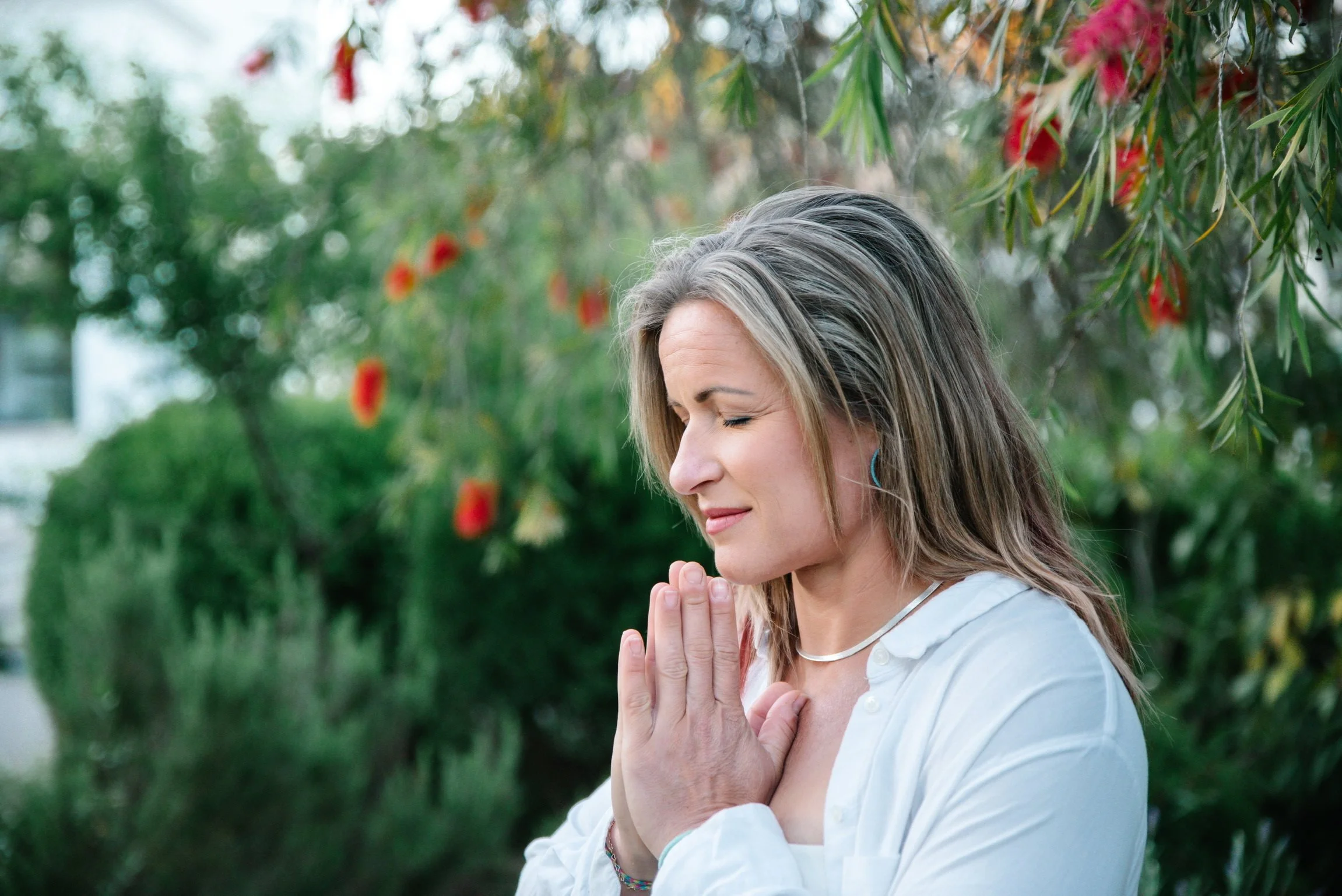
Have you ever had one of those days where it feels like everything is happening at once?
Your alarm goes off, and before your feet even hit the floor, you're checking emails or scrolling through social media. You rush to get ready, make breakfast, get the kids out the door, answer messages, tackle your to do list, and somehow the day is already halfway over.
Then someone asks, "How are you?"
Your answer?
"Busy."
For many of us, busy has become our normal. We move from one responsibility to another without taking a moment to pause. We tell ourselves we'll slow down later, but later rarely comes.
The truth is, your body feels every bit of that stress.
The good news? It doesn't take an hour-long meditation or a weekend getaway to help your body reset. Sometimes, all it takes is three intentional breaths.
Why Intentional Breathing Matters
Breathing is something we do automatically, which means we rarely think about it.
But the way you breathe matters.
When you're stressed, overwhelmed, or anxious, your breathing naturally becomes short and shallow. Your body shifts into survival mode, preparing you to react quickly.
That response is helpful if you're facing a real emergency.
But most of today's stress isn't life threatening.
It's deadlines.
Traffic.
Financial worries.
Family responsibilities.
An overflowing inbox.
Even though these situations aren't dangerous, your nervous system often reacts as if they are.
That's why intentional breathing is such a powerful tool.
When you slow your breath, you send your body a different message.
"You're safe."
That simple signal can change how your entire body responds.
What Happens When You Slow Your Breathing?
Taking three slow, deep breaths may seem almost too simple.
Can something that easy really make a difference?
Absolutely.
When you intentionally slow your breathing, your body begins to shift out of "fight or flight" mode and into a calmer, more balanced state.
This can help you:
Feel calmer during stressful moments
Think more clearly before making decisions
Improve your focus
Reduce feelings of overwhelm
Relax tight muscles
Support healthy digestion
Encourage better sleep
Feel more emotionally balanced throughout the day
You don't have to force anything.
Your body already knows what to do.
You're simply giving it permission to do it.
Your Nervous System Needs Moments of Safety
One of the biggest misconceptions about stress is that it's only emotional.
Stress affects your entire body.
When your nervous system stays activated for long periods of time, it becomes harder to recover.
You may notice:
Feeling exhausted even after sleeping
Difficulty concentrating
Feeling irritable
Low energy
Constant muscle tension
Cravings for sugar or comfort foods
Trouble staying consistent with healthy habits
This is why learning to calm your nervous system isn't just about feeling relaxed.
It's about supporting your overall health.
Every time you pause for a few deep breaths, you're reminding your body that it doesn't have to stay in survival mode.
The Small Habits That Change Everything
We're often taught that change has to be dramatic.
Start a new workout.
Completely change your diet.
Wake up at 5 AM.
Meditate for an hour.
While those things can be helpful for some people, lasting change usually begins much smaller.
Think about brushing your teeth.
Doing it once doesn't change much.
Doing it every day transforms your dental health.
The same principle applies to wellness.
Small actions repeated consistently create meaningful results.
That's why intentional breathing works.
Not because it's impressive.
Because it's repeatable.
Three Breaths Can Change Your Response
Picture this.
You're about to answer a difficult email.
Someone cuts you off in traffic.
Your child is having a meltdown.
Your coworker says something frustrating.
Most of us react instantly.
We speak before thinking.
We become defensive.
We carry that stress into the rest of our day.
Now imagine doing something different.
Pause.
Take one slow breath in.
Slowly breathe out.
Repeat two more times.
The situation hasn't changed.
But your ability to respond has.
Instead of reacting from stress, you respond from a place of calm.
That single habit can improve your relationships, your work, and your peace of mind.
Simple Ways to Practice Intentional Breathing Every Day
The best habits are the ones that fit into your life.
You don't need special equipment.
You don't need perfect conditions.
Simply choose one or two moments during your day to pause.
Try taking three intentional breaths:
Before checking your phone in the morning
Before eating lunch
Before starting your workout
Before responding to a stressful message
Before walking into a meeting
While waiting in your car
Before going to sleep
The more often you practice, the more natural it becomes.
Why This Matters for Your Fitness Journey
You might be wondering...
"What does breathing have to do with strength training?"
More than you think.
When your body constantly feels overwhelmed, it's harder to stay consistent with healthy habits.
Stress can affect:
Energy levels
Recovery after workouts
Motivation
Sleep quality
Food choices
Taking care of your nervous system supports every other area of your health.
Strength isn't just about lifting heavier weights.
It's also about building healthy habits that help your body perform at its best.
When you combine intentional breathing with regular movement and strength training, you're creating a strong foundation for lasting wellness.
Remember: Progress Doesn't Have to Be Complicated
We often chase complicated solutions because they seem more powerful.
But the habits that truly change our lives are usually the simplest.
Drink more water.
Go for a walk.
Lift weights consistently.
Sleep well.
Pause and breathe.
Simple doesn't mean ineffective.
Simple means sustainable.
And sustainable habits are the ones that create lasting transformation.
Try This Today:
Right now, wherever you are...
Pause.
Take one slow breath in through your nose.
Exhale slowly.
Repeat two more times.
Notice how you feel.
Maybe your shoulders relax.
Maybe your thoughts slow down.
Maybe you simply feel a little more present.
That's your body responding.
Three breaths.
Less than thirty seconds.
A small habit with a powerful impact.
Ready to Build a Stronger, Healthier You?
Breathing is one of the simplest ways to support your health, but it's only one piece of the puzzle.
If you're ready to build strength, increase your energy, improve your confidence, and create healthy habits that actually last, I'd love to help.
Join My FREE Strength Training Masterclass
Inside, you'll learn:
Why strength training becomes even more important as we age
The biggest mistakes keeping women from seeing results
How to build strength without spending hours in the gym
Simple habits that support long term health and energy
Whether you're just getting started or looking for a fresh approach, this masterclass will give you practical tools you can begin using right away.
CLICK HERE to sign up today to reserve your free spot.
Because transformation doesn't begin with doing everything perfectly.
It begins with one decision.
One habit.
One breath.
And today is a great day to start.
Frequently Asked Questions
How many deep breaths should I take?
Start with three slow, intentional breaths whenever you feel stressed or overwhelmed. Even this small practice can help you reset and become more present.
Can intentional breathing really reduce stress?
Yes. Slowing your breathing helps activate your body's relaxation response, making it easier to feel calm and think clearly during stressful moments.
When should I practice intentional breathing?
Try it before meals, before workouts, during stressful situations, before bed, or anytime you notice yourself feeling rushed or anxious.
How does breathing support strength training?
Managing stress and calming your nervous system can improve recovery, sleep, focus, and consistency, all of which contribute to better strength training results.